 My Account
  Wishlist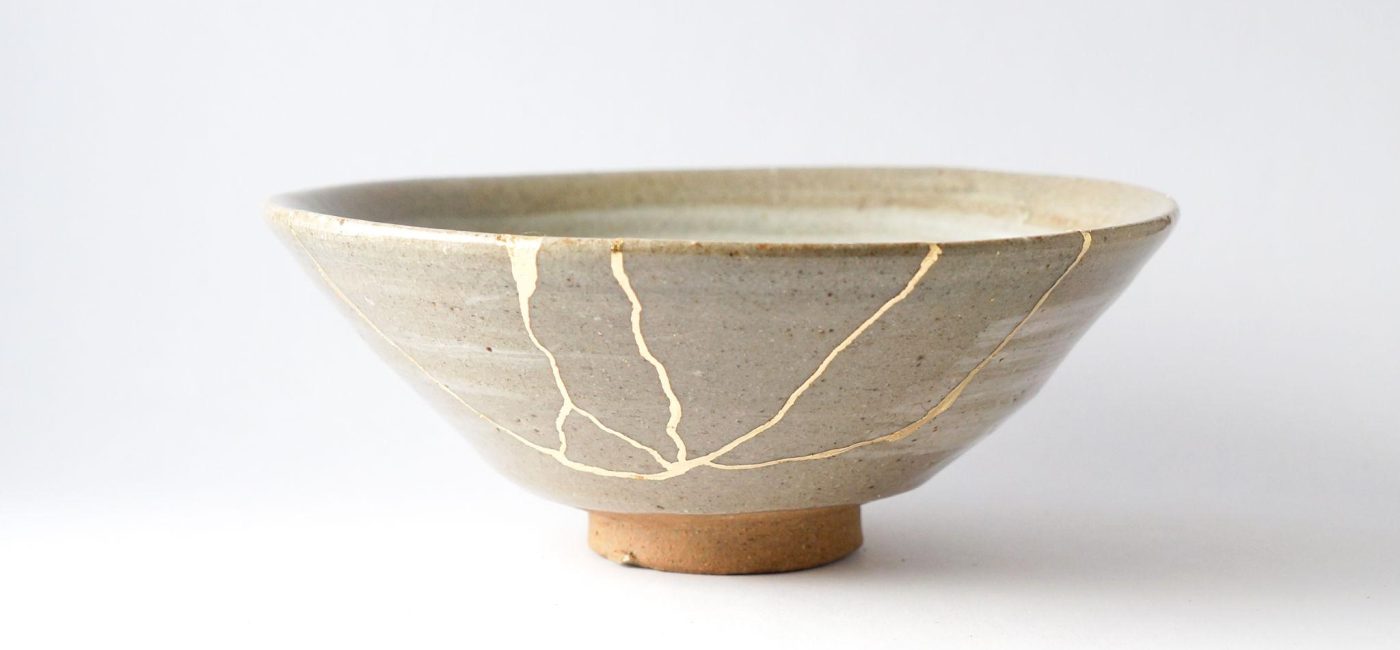
Kintsugi: The Art of Beautiful Repair
Repairing and Re-creating
There is a quiet reverence in the way the Japanese approach broken things. Where much of the world discards what is damaged, Kintsugi chooses to illuminate it.
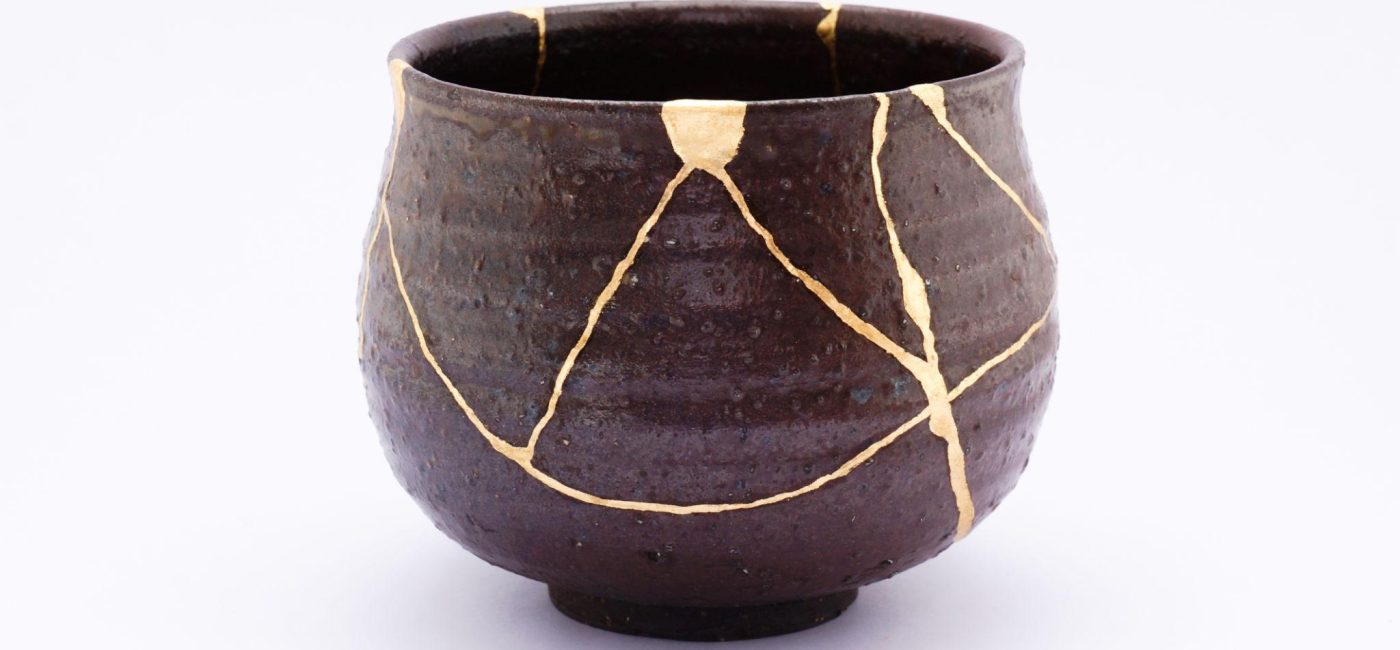
The centuries old practice of repairing fractured ceramics with lacquer dusted in gold does not attempt to conceal imperfection. Instead, it traces it. Each crack becomes a line of history, each fracture a deliberate mark of survival. The object does not return to what it was; it becomes something entirely new.
At its core, Kintsugi is less about restoration and more about transformation. It rejects the illusion of flawlessness and embraces the inevitability of change. In a culture often obsessed with the pristine, this philosophy feels almost radical, suggesting that damage is not something to erase, but something to honor.
The beauty of Kintsugi lies in its honesty. A repaired bowl carries its past visibly, unapologetically. It speaks of use, of time, of the quiet resilience of objects that refuse to disappear. There is no attempt to hide the story, only to elevate it.
This philosophy extends beyond ceramics. It reflects a broader aesthetic sensibility rooted in the Japanese concept of Wabi-sabi, the appreciation of impermanence, asymmetry, and incompleteness. In this context, perfection is not a fixed state, but a fleeting illusion.
In an age of constant replacement, Kintsugi offers an alternative narrative. What if brokenness is not the end of value, but the beginning of meaning? What if repair is not about returning to the original, but about redefining it?
Gold, in this sense, becomes more than a material. It becomes a gesture, a quiet declaration that what has been through something is, in fact, more worthy of being seen.