 My Account
  Wishlist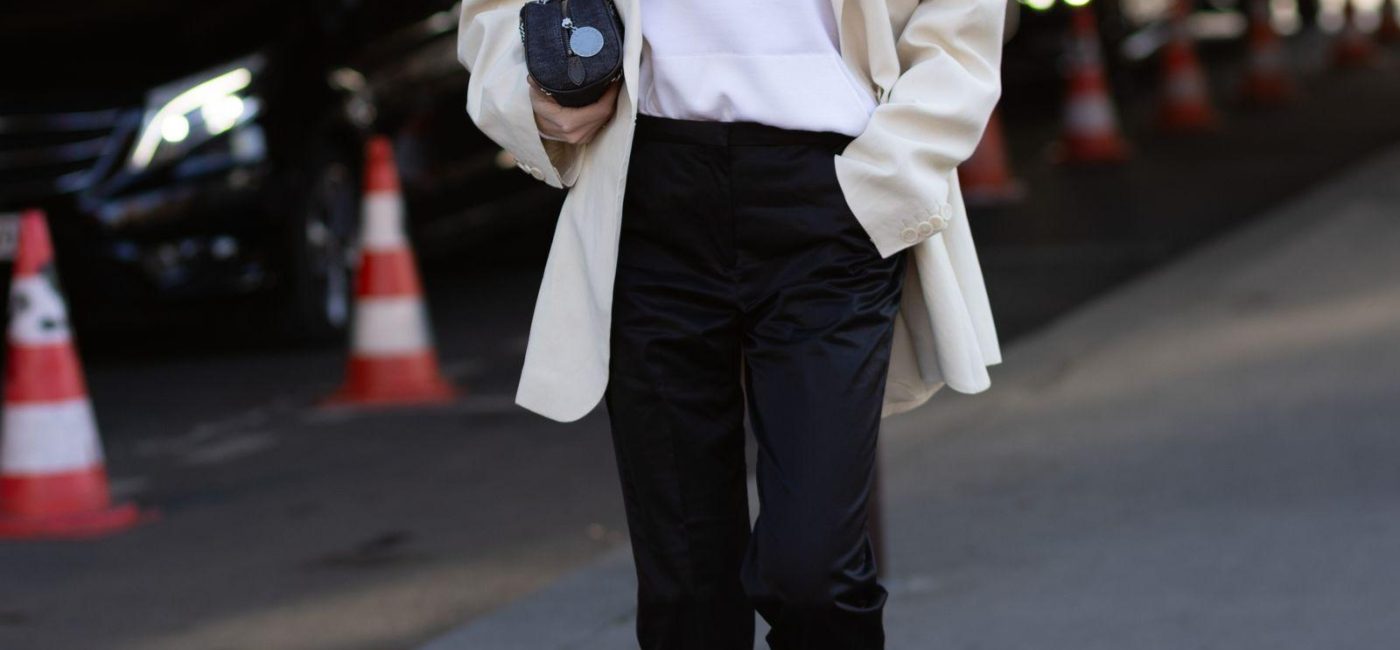
City Style Guide
Dressing the Rhythm of the Streets
Style, at its most compelling, is a dialogue between the individual and their surroundings. Nowhere is this more evident than in the world’s great cities, where fashion is shaped not only by designers, but by the pulse of the streets themselves.
In Paris, elegance is instinctive. There is an ease to Parisian dressing that resists overstatement—an understanding that restraint is its own form of confidence. A classic trench, a silk blouse, denim that fits just so. The details are precise, yet the overall impression remains effortlessly undone. It is a balance between structure and spontaneity, where imperfection becomes part of the allure.
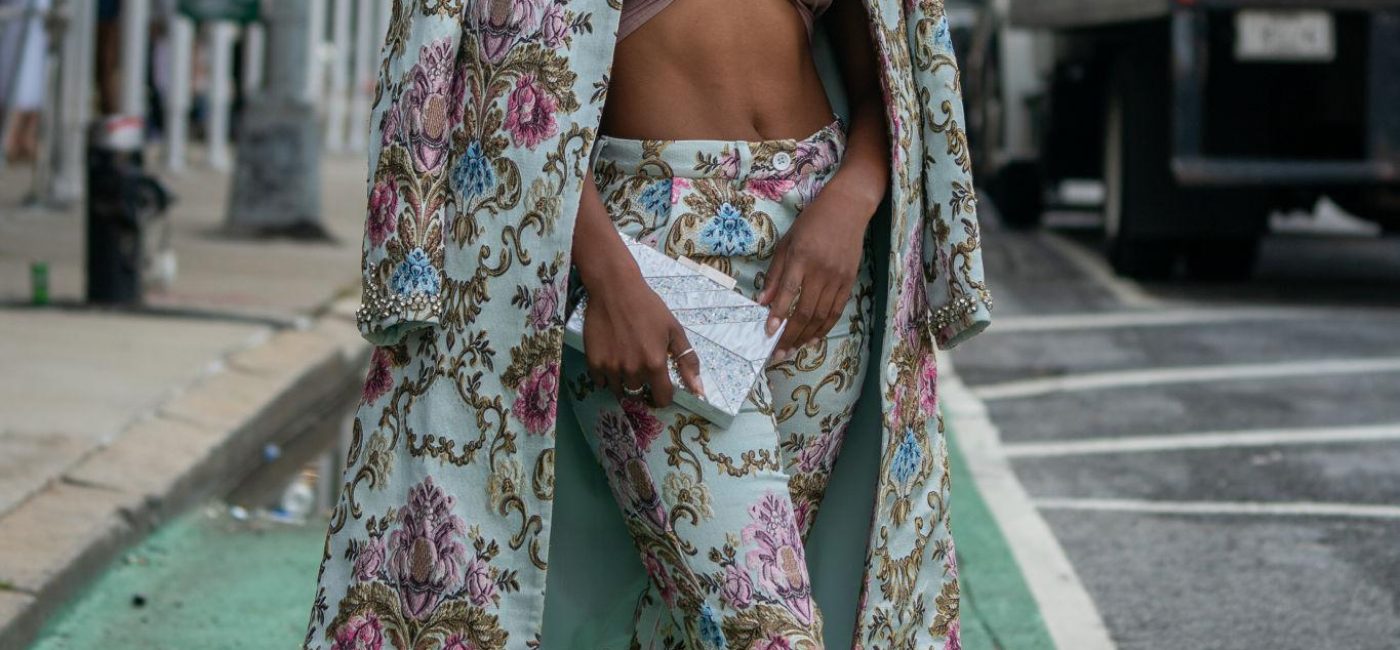
Across the Atlantic, New York City thrives on contrast. Here, fashion mirrors the city’s relentless energy—fast, layered, and unapologetically diverse. One look might juxtapose archival vintage with cutting-edge design, while another leans into monochrome minimalism punctuated by bold accessories. The sidewalks become runways, not curated but lived. In New York, style is less about cohesion and more about conviction.
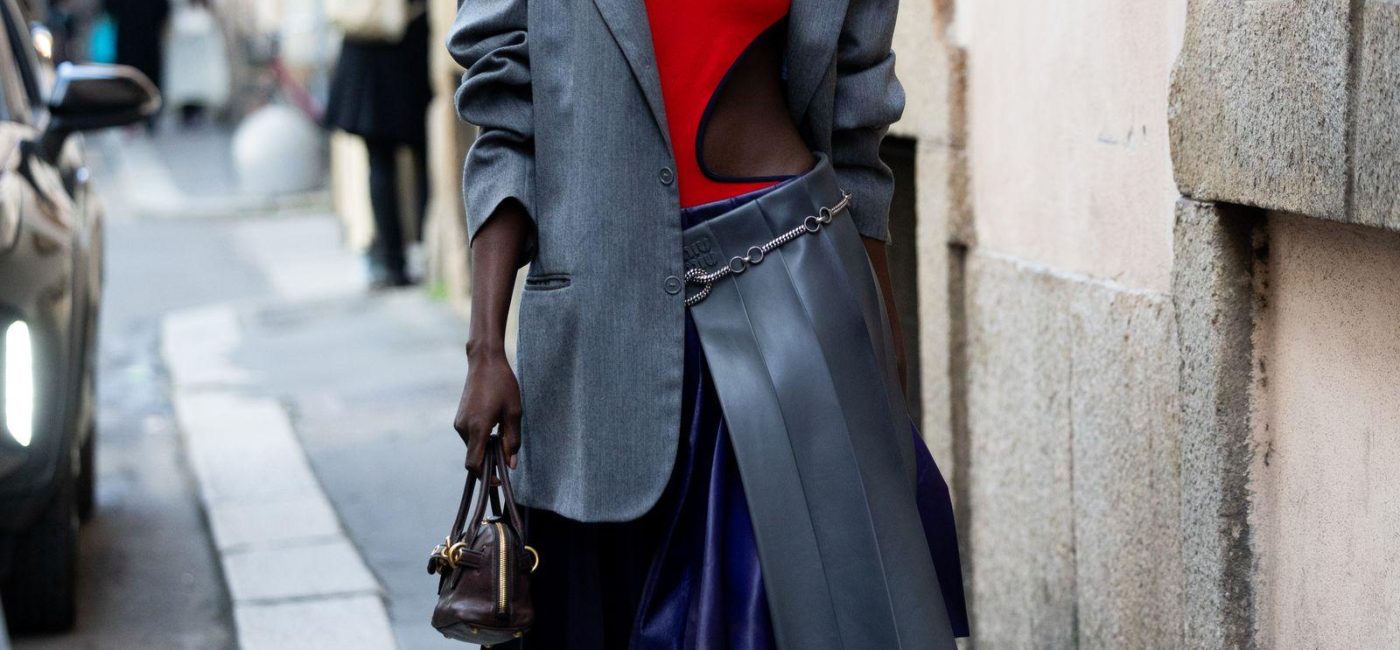
In Milan, refinement takes center stage. There is a reverence for craftsmanship that informs every choice, from the structure of a tailored coat to the quality of a leather shoe. Milanese style is deliberate—nothing feels accidental. Yet within this precision lies a quiet sensuality, a softness that prevents elegance from becoming rigid. It is tradition, reinterpreted with subtle modernity.
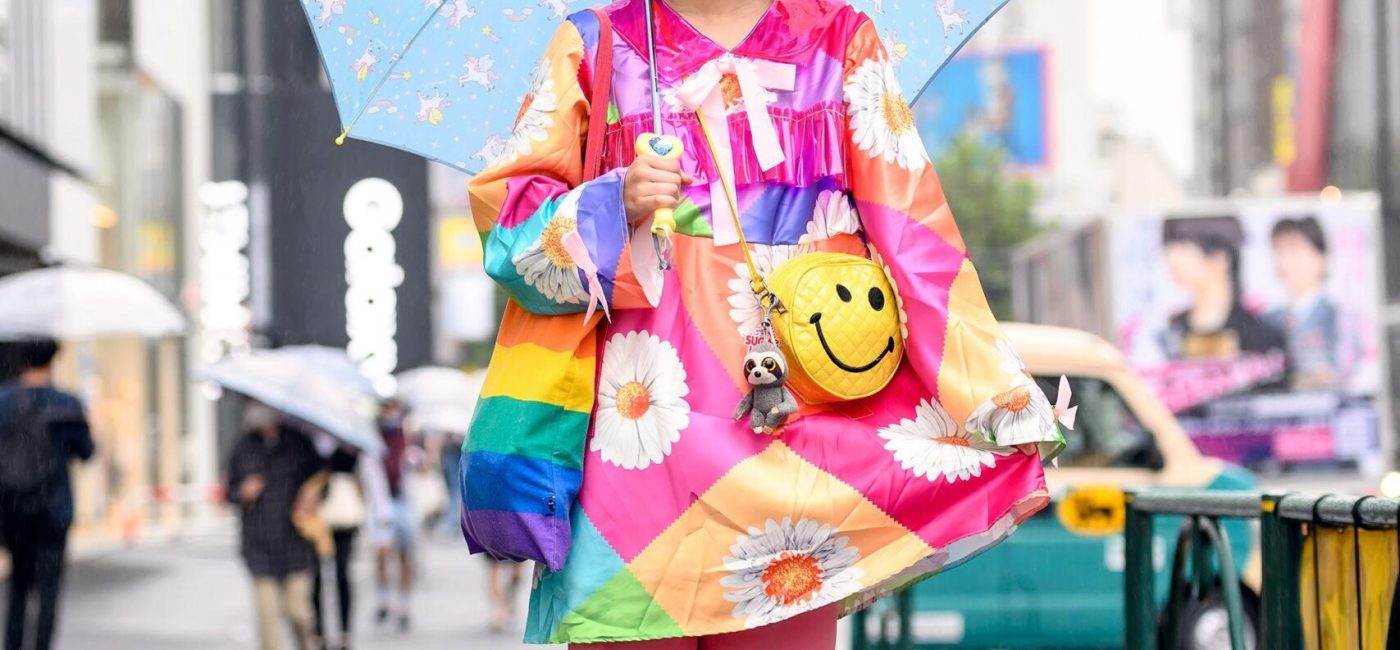
Then there is Tokyo, where fashion becomes a form of storytelling. Here, rules are not just bent—they are rewritten entirely. Proportions shift, textures collide, and identity is expressed with fearless creativity. What might seem unconventional elsewhere is essential here. Tokyo’s style is not about fitting in, but about standing distinctly apart.
To dress for a city is to observe before you participate. It is about understanding the cadence of daily life—the pace, the light, the unspoken codes—and translating them into personal expression. The most compelling wardrobes are those that respond, not replicate.
Because in the end, city style is not a uniform. It is a reflection of movement, culture, and individuality—woven together in the ever-evolving narrative of the streets.