My Account
  Wishlist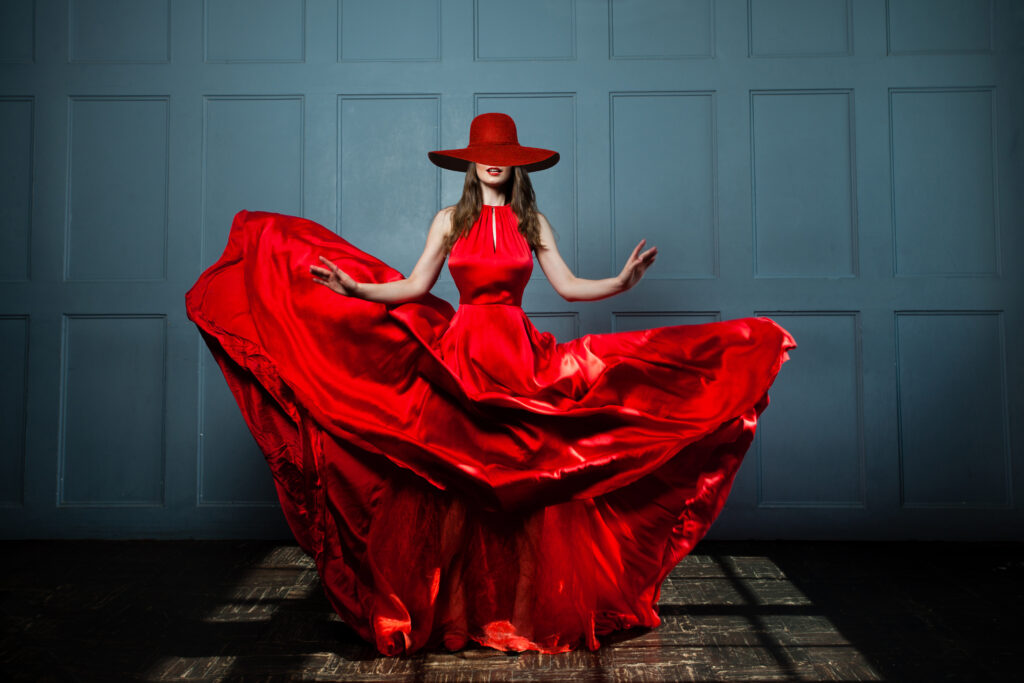

Where Craft Becomes Culture, and Clothing Becomes Creation
In an era defined by speed—fast fashion, instant drops, next-day delivery—couture exists in deliberate opposition. It does not rush. It does not replicate. It does not apologize for its rarity. Instead, it stands as fashion’s purest form of expression: where artistry, craftsmanship, and imagination converge into something far beyond clothing.
Couture is not simply about luxury. It is about time.
Each piece begins long before the first stitch—within the mind of a designer, shaped by references that span centuries: architecture, painting, sculpture, history. What follows is a process that resists modern efficiency. Hours become days; days become months. Fabrics are hand-cut, embroidery is meticulously applied, silhouettes are sculpted rather than sewn. In couture, nothing is rushed, and nothing is accidental.
The ateliers—those quiet, almost sacred spaces—are where this transformation takes place. Here, skilled artisans dedicate years, often decades, to mastering techniques that are invisible to the untrained eye. A single gown may require hundreds of hours of handwork, each detail layered with intention. The result is not just a garment, but a living archive of human skill.
And yet, couture is often misunderstood.
From the outside, it can appear detached—reserved for red carpets, private clients, and museum exhibitions. But to reduce couture to exclusivity is to overlook its true role within fashion. It is, in many ways, the industry’s laboratory. The place where ideas are tested, boundaries are pushed, and creativity is allowed to exist without compromise. What begins in couture often filters into ready-to-wear, shaping the visual language of fashion at large.
More importantly, couture challenges our relationship with clothing itself.
In a world where garments are often disposable, couture demands permanence. It invites us to reconsider value—not in terms of price, but in terms of process, intention, and meaning. A couture piece is not designed for a season; it is created for a lifetime, sometimes longer. Passed down, preserved, remembered.
There is also something profoundly human about couture. In every stitch, there is a hand. In every detail, a decision. It resists automation, resists anonymity, and in doing so, preserves a sense of individuality that is increasingly rare in modern fashion.
Perhaps that is why couture continues to endure.
Not because it is practical. Not because it is accessible. But because it represents what fashion can be at its highest level—not just an industry, but an art form.
In the end, couture is not about what we wear.
It is about what we choose to value.
And in a culture built on speed, choosing craftsmanship may be the most radical act of all.
Couture is not fashion—it is art in motion.
Couture is not worn—it is remembered.