 My Account
  Wishlist
The Space In Between: On Meaning, Emptiness, and Becoming
“Existential Vacuum”
There are moments in life that resist definition. They exist not as clear beginnings or endings, but as something quieter, more ambiguous, an in between.
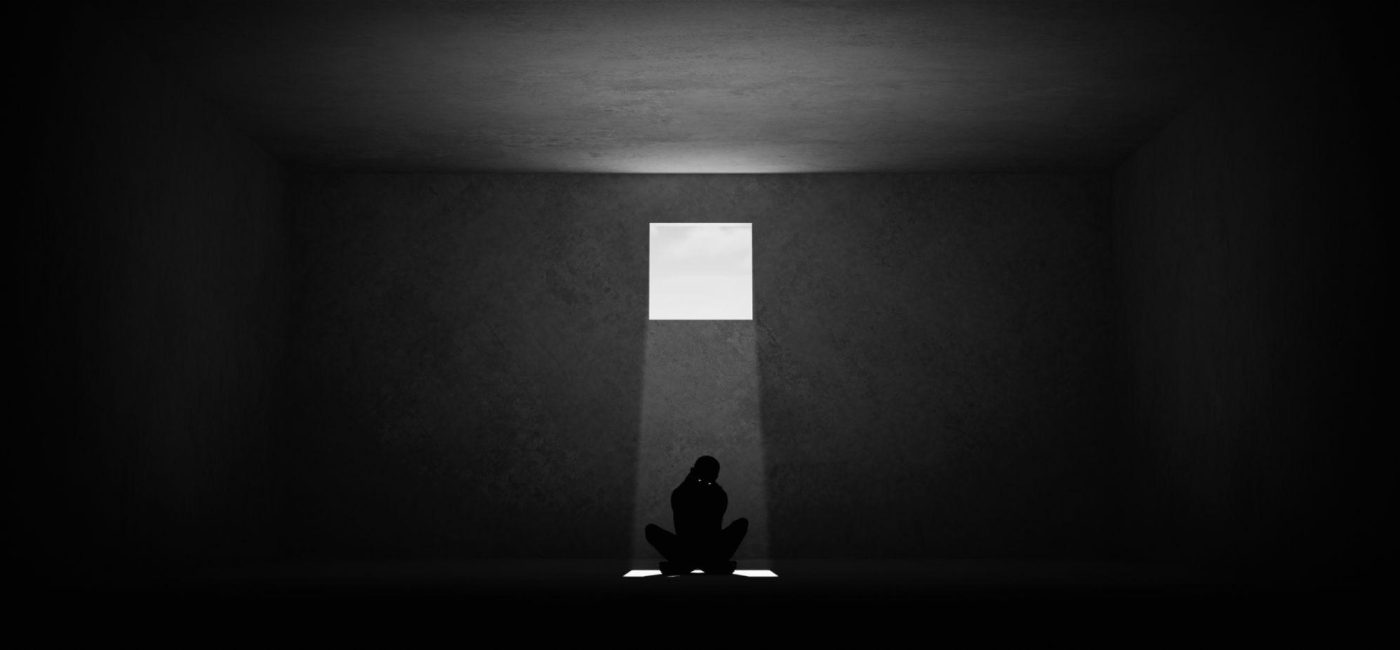
The Austrian psychiatrist Viktor Frankl described a state he called the existential vacuum, a condition in which meaning dissolves, leaving behind a subtle but persistent sense of emptiness. It is not despair in its most dramatic form, but something more elusive, a disconnection from purpose, from direction, from self.
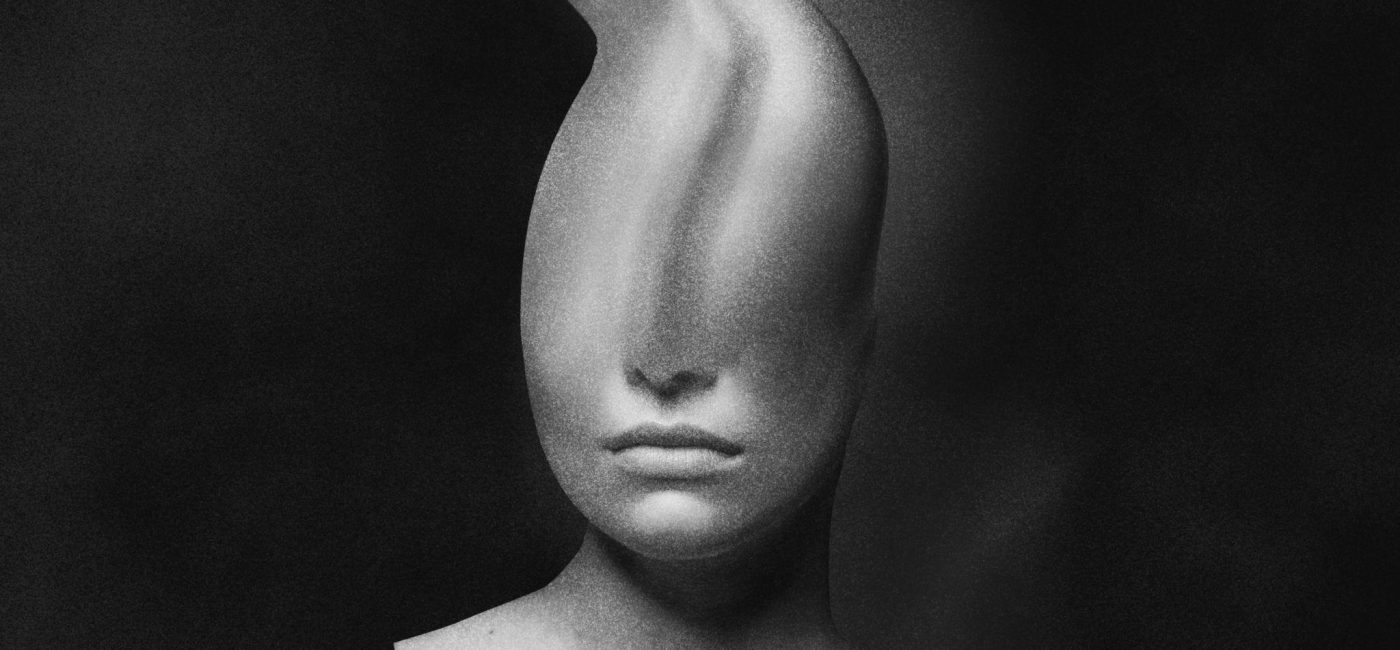
This space often emerges in transition. After an ending, before a beginning. When identity, once stable, begins to fracture. The roles we once inhabited no longer fit, yet new ones have not fully formed. We find ourselves suspended between who we were and who we are becoming.
From a psychological perspective, this state reflects a temporary loss of internal structure. Meaning, which usually acts as a stabilizing force, becomes diffuse. Without clear direction, the mind turns inward, often questioning previously unquestioned beliefs. While this can feel disorienting, it is also a critical stage in identity development.
And yet, this in between is not inherently negative. It is, in many ways, necessary. It creates the silence required for redefinition. Without it, there is no space to question, to unravel, to reconstruct.
Modern culture, however, struggles with this ambiguity. There is a constant pressure to resolve, to label, to decide, to move forward quickly. Uncertainty is treated as something to escape, rather than something to inhabit.
But what if the in between is where the most meaningful transformations occur
In this suspended state, identity becomes fluid. Freed from fixed narratives, we are given the rare opportunity to examine what truly resonates. What remains when external definitions fall away is often quieter, but infinitely more authentic.
There is a certain elegance in not knowing. In allowing meaning to emerge gradually, rather than forcing it into clarity. The in between, then, is not a void to be feared, but a threshold, a place where something new is quietly taking shape.
And perhaps, like the golden seams of Kintsugi, it is precisely these moments of fragmentation that make the final form more complete.